A fraud ring is not a collection of bad actors. It is a coordination structure. The actors may be operating accounts that look entirely normal when inspected in isolation. The fraud is in how they interact with each other and with the platform's legitimate users. Fraud systems that evaluate accounts and sessions individually will miss coordinated rings by design, because there is no individual signal to catch.
This post is about why that blind spot exists, how fraud rings exploit it, and what graph-based reputation does to close it.
How fraud rings maintain clean individual profiles
A sophisticated fraud ring builds out its account network before it attacks. Accounts are created weeks or months before they are used for fraud, with enough organic activity on each to pass age-based risk checks. Purchases are made and returned legitimately to build transaction history. Profile data is completed. Reviews are left. The accounts look like real users because, for a period, they are behaving like real users.
When the ring activates for a fraud event, each account's individual history looks normal. No single account shows the velocity, the pattern, or the behavioral anomalies that a per-account fraud score would flag. The attack distributes its exposure across a fleet of accounts that individually stay within safe ranges on every per-account metric.
Per-account fraud scoring is built to catch this pattern at the individual level. It cannot, because the pattern is not at the individual level.
The edges contain the signal
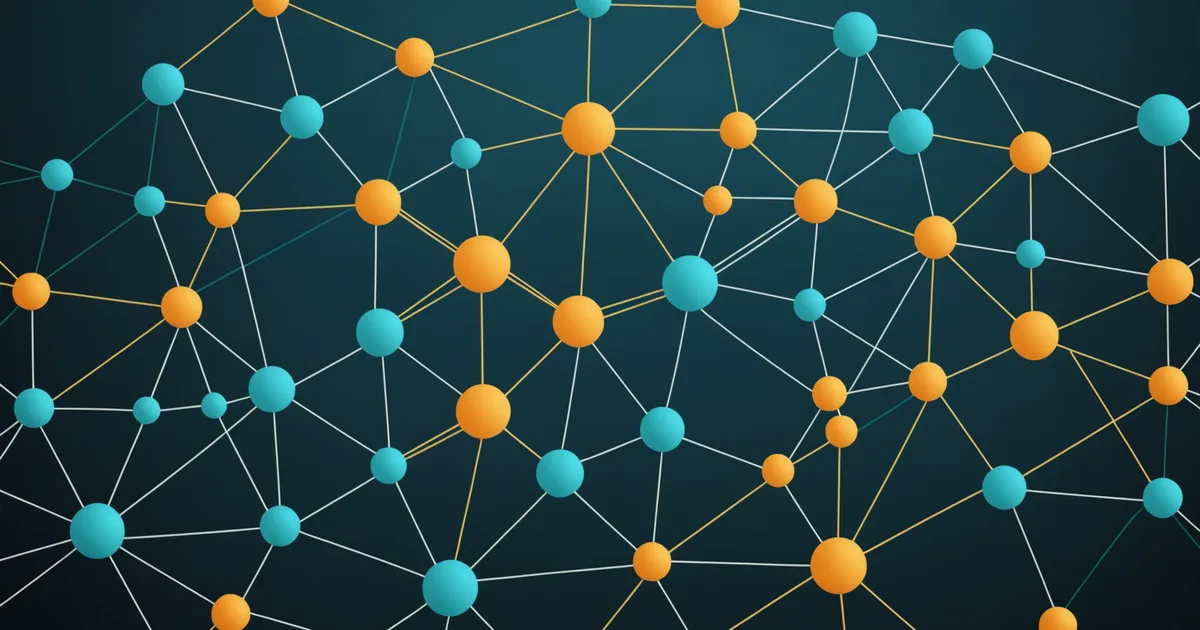
A fraud ring leaves signal in the edges, not the nodes. Edges are the connections between accounts: shared devices, shared payment methods, shared IP infrastructure at registration, patterns of who interacts with whom and when. An account that looks clean in isolation may be connected to four other accounts that share a registration IP range. Those four accounts may each be connected to two others through shared device identifiers. None of the individual accounts flags. The subgraph they form is distinctive.
Graph-based fraud detection operates on this subgraph structure. The question it asks is not "what is the risk of this account" but "what is the risk of this account given the company it keeps?" An account that is itself clean but is closely connected to a known-bad account inherits some risk propagation from that connection. An account at the center of a dense cluster of recently-created, sparsely-active accounts is suspicious in a way that doesn't appear in any per-account feature.
Propagation: why the network amplifies known signals
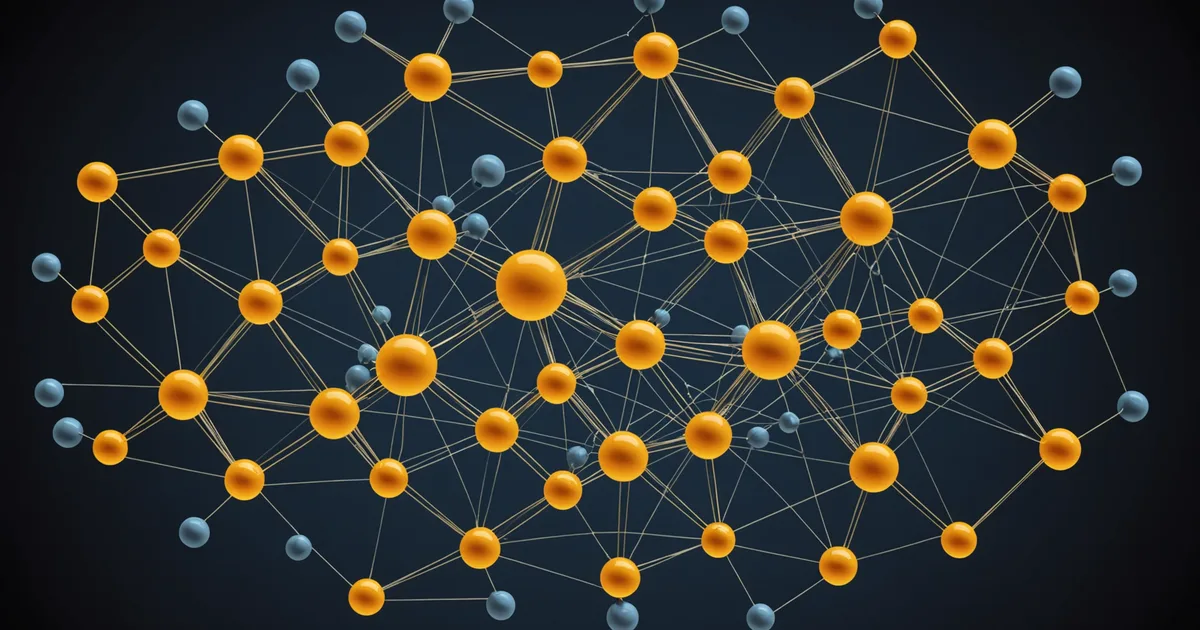
Graph-based scoring uses propagation to spread risk signal from confirmed-bad nodes through the network. When an account is confirmed fraudulent, its risk label propagates to connected accounts with a decay factor based on connection strength and network distance. Accounts with one-hop connections to confirmed fraud receive a stronger adjustment than accounts at two hops. Accounts connected through multiple confirmed-bad nodes receive stronger adjustments than accounts connected through a single one.
The propagation effect is what makes graph scoring valuable against rings specifically. When one member of a ring is caught and labeled, the entire connected component receives elevated risk scores proportional to their connection to the identified node. Without propagation, catching one ring member has no effect on the others. With propagation, catching one member significantly elevates the scores of its network neighbors, often enough to surface the others for review before they activate for fraud.
The challenge of false positive management in graph systems
Graph-based systems have a false positive risk that per-account systems don't: legitimate users can be connected to fraudulent accounts through innocent means. A good-faith buyer who transacted with a fraudulent seller shares a transaction edge with that seller. A user who registered on the same public wifi as a fraud ring member shares a registration IP with them. Propagating risk from confirmed fraud too aggressively will affect legitimate users who happened to be in the wrong graph neighborhood.
Managing this requires calibrating propagation strength against connection type. A direct shared-device connection is a much stronger signal than a shared-IP-at-registration connection. A pattern of repeated interactions between accounts is a stronger signal than a single transaction. The propagation weight assigned to each edge type reflects its evidentiary strength as a coordination indicator.
Where graph scoring works alongside session-level scoring
Graph-based risk scoring is not a replacement for session-level behavioral scoring; it operates at a different time scale and a different abstraction level. Session-level scoring answers "what does this specific session's behavior suggest about risk?" Graph scoring answers "what does this account's network position suggest about risk?" They are complementary inputs.
The combined signal handles cases where either approach alone would fail. A session from a new account with no behavioral history and no network flags benefits from the session-level signal but has minimal graph signal. An account with clean session behavior but strong network connections to confirmed fraud benefits from the graph signal. The cases where both approaches agree tend to be high-confidence decisions in either direction. The cases where they diverge are where analyst judgment adds the most value.