About
Started by fraud engineers who got tired of losing
Karma3 came out of years spent watching rule engines fail in production. Fraud patterns shift. Rules go stale. Analysts tune thresholds until they either let everything through or block real buyers. We decided the architecture was wrong, not the analysts.
Why We Built This
The fraud problem rule engines were never designed to solve
Sahil spent years at a large e-commerce platform before leaving to co-found Karma3. His fraud team ran a rule engine with nearly 800 active rules. Every week brought new fraud patterns, new threshold debates, and a growing backlog of analyst time spent on edge cases the rules had created themselves.
The insight was simple: rules describe what fraud looked like yesterday. Behavioral patterns describe what it looks like right now. A system that scores behavior in real time does not need rules for every new fraud variant, because it measures the underlying signal the fraud exploits, not the surface features of any particular attack.
Marcus joined from an ML infrastructure team at a large ad-tech company where he had built real-time feature pipelines for brand-safety scoring. Priya came from an analytics background across two early-stage fintech companies. Together, the three of them started building the platform they had each wished existed.
Timeline
Team
The three people who built it

Led fraud operations at a large e-commerce marketplace, running a rules-based detection team before deciding the fundamental approach needed to change. Founded Karma3 in 2024 to build the behavioral trust layer that rules couldn't provide.
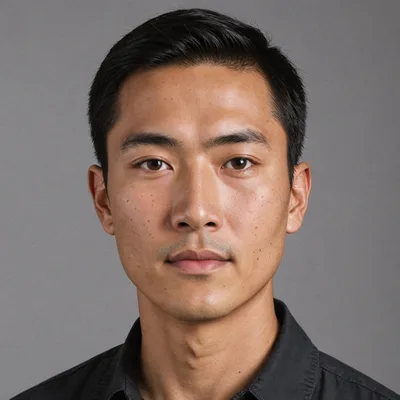
Built real-time ML feature pipelines at a large ad-tech company, focused on brand-safety and behavioral classification at high throughput. Brought that infrastructure experience to Karma3's scoring architecture and low-latency design.

Worked across two fintech startups building fraud and credit analytics models before joining as a co-founder. Owns the ML model design, feature engineering approach, and the signal weighting methodology behind the Karma3 trust score.
How We Work
The operating principles we actually follow
Measure before you claim
We do not ship a performance claim we have not tested against real data. Every stat on this site came from internal beta deployments, not projections.
The model is not the product
The scoring model is a component. The product is the decision you can make confidently at 67ms. We optimize for that outcome, not for model metrics in isolation.
Friction is a cost you pay
Every step you add to verify a good user is friction you pay. We build to minimize that cost for the 95% of users who are not fraud, not to maximize detection metrics alone.
Privacy by design
Minimal collection is not a compliance posture, it is an architectural choice. We do not hold what we do not need. The scoring model never sees PII. That is how the system was designed, not retrofitted.
Customers are not case studies
Our early-access customers trusted us with production fraud surfaces. We do not publish their names without permission. We talk about outcomes, not who produced them.
Build for the next layer
Fraud tactics evolve. We invest in the signal infrastructure and model retraining capacity to stay ahead of the next variant, not just the ones we have already seen.
Funding
Angel-backed and building with operators who have done this before
Karma3 closed a $1 million angel round in 2025 from operators who have built and run fraud prevention programs at marketplace and fintech companies. The funding is supporting early-access customer growth and expansion of the scoring model's signal coverage.
Join the Team
We are hiring fraud and ML engineers
If you have spent time in production fraud detection and want to work on the architecture problem, not just the tuning problem, we want to talk.